What Causes Garage Door Opener Gear Failure and How to Repair in 2025?
What Are the Common Causes of Garage Door Opener Gear Failure?
Garage door opener gear failure typically stems from several mechanical stresses and material limitations. One of the most frequent causes is gear wear, especially when plastic gears are involved. Plastic gears, while cost-effective and quieter, wear down faster than metal gears under repeated operation and heavy loads. Over time, gear teeth can become stripped or damaged, resulting in slippage and impaired door movement.
Misalignment between the gear assembly and motor shaft often increases friction, accelerating gear stripping and overall mechanical failure. Moreover, lack of proper lubrication exposes gears to excessive heat and vibration, which degrade their durability. The weight of the garage door also plays a crucial role; heavier doors impose greater stress on the gear system, especially if the garage door springs (torsion or extension springs) are worn or improperly tensioned, causing uneven load distribution.
In addition, overheating caused by frequent operation or electrical issues can break down gear materials quicker, worsening damage over time. Understanding these causes helps diagnose gear problems early and informs effective maintenance practices.
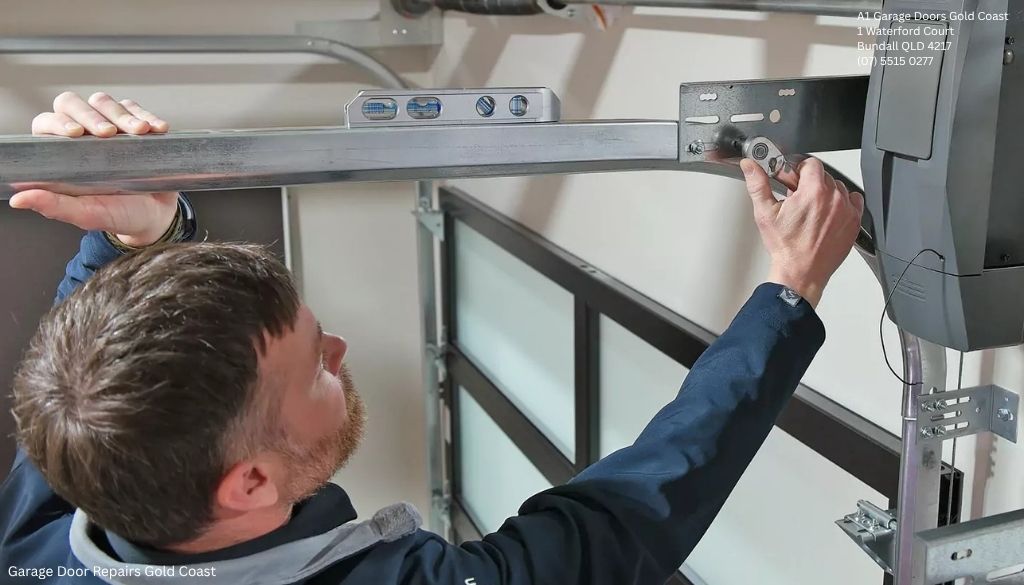
How Does Lack of Lubrication Contribute to Gear Damage?
Lubrication is vital to protecting your garage door opener’s gear assembly from premature wear and tear. Without adequate gear grease, friction between moving parts rises, causing increased noise, heat buildup, and accelerated bearing wear. This not only affects the plastic or metal gears but also stresses the entire gearbox and opener motor.
Signs indicating insufficient lubrication include loud grinding noises during operation, sluggish door movement, or persistent squeaking sounds. Using the correct type of lubricant—preferably silicone-based or lithium grease recommended by manufacturers—ensures smooth function without attracting excessive dust or dirt. Regular maintenance calls for applying lubricant to the gear assembly and related components every six months or as specified by your opener’s manual.
Proper lubrication also helps reduce strain on the motor shaft and protects delicate parts like motor brushes and armature, preventing early motor burnout and electrical failure.
Can Garage Door Opener Motor Problems Lead to Gear Failure?
The garage door opener’s motor and its gears work in tandem, so issues in the motor can translate quickly into gear problems. For example, a misaligned motor shaft or worn motor brushes increase irregular forces on the gear teeth, leading to rapid gear wear and eventual failure. Additionally, a failing motor armature or burnt-out circuit board might cause erratic power delivery, causing the gears to jam or slip unexpectedly.
Symptoms of motor-related gear damage include inconsistent door movement, intermittent stopping, and unusual noises that coincide with electrical irregularities. When facing such symptoms, it is advisable to inspect both the motor and the gear assembly simultaneously since repairing just one may not resolve the underlying problem. In some cases, replacing the opener motor alongside the gearing system ensures long-term reliability.
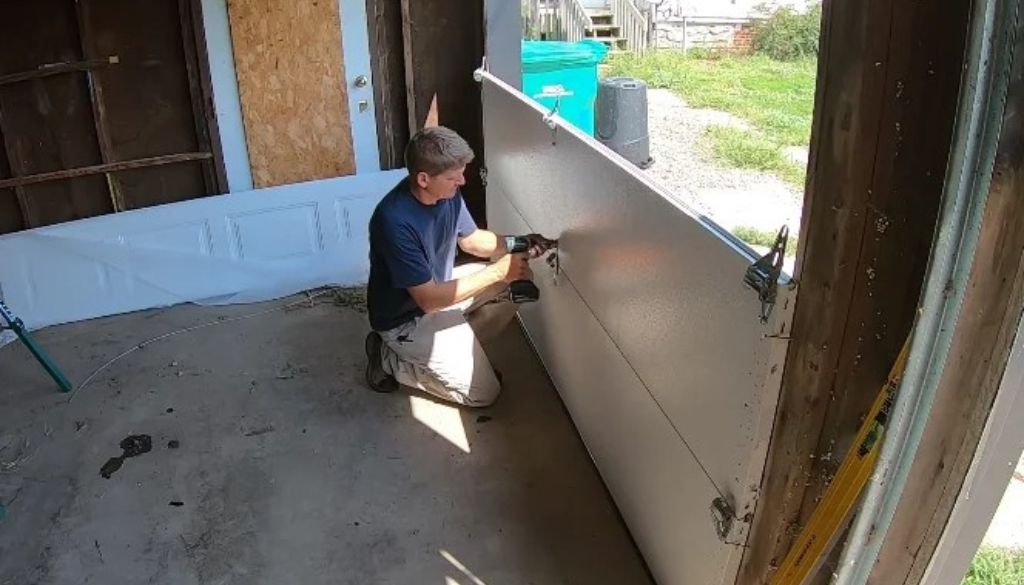
How Do Installation and Alignment Affect Gear Performance?
Correct installation and alignment play a critical role in reducing stress on your garage door opener’s gears. Misaligned tracks or incorrectly balanced doors place extra load on the gear assembly, forcing the opener to exert more effort, which accelerates gear stripping and mechanical failure.
If the garage door’s springs are faulty or unevenly tensioned, the opener compensates for the imbalance, increasing gear pressure. Similarly, improperly adjusted force settings can cause the motor to stall or strain unnecessarily. Ensuring proper track alignment, checking door balance regularly, and making accurate force adjustments are essential steps to protect your gear system.
For DIY enthusiasts, double-checking these elements during installation and routine maintenance can prevent many premature gearbox and gear issues. Professional installation services can also guarantee optimal alignment and setup, prolonging the life of your opener’s gears.
What Are the Steps to Repair a Failed Garage Door Opener Gear?
Repairing a failed garage door opener gear involves careful diagnosis and precise mechanical work. First, identify the problem by inspecting the gear teeth for visible signs of stripping, chipping, or wear. Listen for unusual noises like grinding or slipping sounds during operation. Confirm that the gear is the root cause rather than motor or electrical faults.
Once confirmed, gather the necessary tools such as screwdrivers, pliers, and a replacement gear kit compatible with your opener model. Follow these general steps:
- Disconnect power to the garage door opener to ensure safety.
- Release the manual release or emergency release to disengage the door from the opener and prevent accidental movement.
- Remove the cover of the garage door opener to access the gear assembly inside the gearbox.
- Carefully remove the damaged gear, noting its alignment and position.
- Install the new gear, ensuring proper placement and alignment with the motor shaft and other gears.
- Reassemble the gearbox and replace the cover.
- Reconnect power and adjust the opener settings, including force and limit adjustments, to ensure smooth operation.
- Test the door thoroughly to confirm the repair’s success.
If the repair appears too complex or the gear failure recurs rapidly, consider consulting a professional technician who can assess potential deeper issues.
How Can Regular Maintenance Prevent Gear Failure?
Regular maintenance is the most reliable way to extend the lifespan of your garage door opener gears and avoid unexpected failures. A comprehensive maintenance routine includes:
- Inspecting gear teeth and the entire gear assembly for early signs of wear or damage.
- Cleaning the gear and gearbox components to remove dust and debris.
- Applying manufacturer-approved lubrication such as gear grease to minimize friction and protect bearings.
- Checking track alignment, roller wheels, and door balance to ensure even loads on the opener’s mechanical system.
- Examining the condition of garage door springs and cables to prevent uneven tension and unnecessary gear strain.
- Testing safety sensors, remote controls, and limit switches to avoid indirect issues affecting gear operation.
- Monitoring motor health, including brushes and armature, to prevent electrical failures impacting the gear system.
Avoid skipping or rushing maintenance; neglect often leads to rapid deterioration. Proper upkeep ensures quieter operation, reduces repair costs, and enhances safety.
Are There Upgrades That Improve Gear Durability and Garage Door Opener Performance?
Upgrading your garage door opener’s gear components or drive system can significantly enhance durability and performance. Metal gears, for instance, offer superior strength and resistance to wear compared to plastic gears, making them an excellent upgrade option if compatible with your model.
Different drive systems affect gear longevity differently:
- Chain drives are robust but can cause more vibration and noise, potentially impacting gear wear over time.
- Belt drives run quieter and reduce vibration, which helps preserve gear condition longer.
- Screw drives offer smooth operation with fewer moving parts, lowering the chances of mechanical failure.
Before upgrading, evaluate compatibility, cost implications, and whether the new system suits your garage door's size and weight. Professional advice ensures the right choice for maximizing gear lifespan and opener efficiency.
Diagnosing Other Garage Door Opener Issues Related to Gears
Sometimes, problems mimicking gear failure actually stem from other components. For example, faulty limit switches can cause the door to stop prematurely, appearing like gear slippage. Similarly, safety sensor errors or remote control malfunctions might interrupt normal operation, leading to undue stress on gears.
Effective troubleshooting involves checking electrical connections, sensor alignment, and opener programming alongside mechanical inspection to isolate true gear issues.
Safety Precautions When Repairing Garage Door Openers
Garage door opener repairs involve moving parts and powerful springs, so it's essential to follow safety precautions:
- Always disconnect power before starting any repairs.
- Use the manual release or emergency release carefully to avoid sudden door movements.
- Handle torsion and extension springs with caution; these are under high tension and can cause severe injury.
- If unsure or uncomfortable with DIY repair, seek professional assistance to avoid accidents.
Environmental Factors Affecting Gear Longevity
External conditions such as moisture, dust accumulation, and temperature extremes also influence garage door gear durability. Moist environments can cause corrosion or swelling of components, while dust and dirt infiltrate the gearbox, increasing abrasion. Temperature fluctuations may cause materials to expand or contract, weakening plastic gears faster. Regular cleaning and protective lubrication help counter these environmental effects.
Expert Insights: Real-World Gear Repair Experience
Certified garage door technicians emphasize the importance of holistic diagnosis when addressing gear failure. They note that many homeowners overlook the interplay between door springs, motor health, and gear condition. Expert recommendations include performing a complete opener system check during repairs and opting for quality replacement parts to ensure long-term reliability.
Frequently Asked Questions (FAQ)
Q1: How can I tell if my garage door opener gear is failing?
A1: Warning signs include grinding noises, jerky or slow door movement, slipping gears, and visible damage to gear teeth upon inspection.
Q2: Is it better to repair or replace a damaged garage door opener gear?
A2: Minor wear often allows for inexpensive gear replacement, but extensive damage or garage door repair near me recurrent issues may require complete opener or gearbox replacement.
Q3: Can I lubricate my garage door opener gear myself?
A3: Yes, using manufacturer-approved lubricants such as silicone or lithium-based grease sparingly is recommended to maintain smooth operation.
Q4: Why do plastic gears fail more often than metal ones?
A4: Plastic gears have lower durability under heavy loads and frequent use, making them prone to quicker wear and stripping compared to metal gears.
Q5: What maintenance helps extend the life of my garage door opener gears?
A5: Regular lubrication, cleaning, alignment checks, motor inspection, and ensuring door balance all contribute to longer gear service life.
Q6: Can improper garage door springs cause gear failure?
A6: Yes, broken or worn torsion or extension springs increase strain on opener gears, accelerating wear and potential failure.
Conclusion: Understanding the causes and repair strategies of garage door opener gear failure empowers you to maintain your garage door system effectively. Regular lubrication, proper installation, timely motor checks, and balanced door maintenance are key to preventing gear problems. Whether you opt for DIY repair or professional service, prioritising safety and quality parts ensures your garage door remains reliable and safe for years to come. Don't hesitate to schedule routine maintenance or consult experts if you experience persistent gear issues.